
Author: Cool Pu Information
Editor: Heart of Computing Power
The narrative of AI computing power is shifting from "who has the most cards" to "who can truly convert computing power into productivity."
On July 28, the MoneyFrontier 2026 New Infrastructure Intelligent Computing Summit was held at the Hong Kong He's Harmony Hotel. Leaders from four companies, Moore Threads, Tencent Cloud, Yangji Microelectronics, and XinKe Liquid Cooling, took the stage in succession, revealing the underlying cards of the AI computing power industry chain from four dimensions: domestic GPU ecosystem, intelligent agent engineering, mining transformation logic, and data center engineering reconstruction.
This was not a product launch, but a concentrated presentation of industry consensus: Token consumption is exploding exponentially, Agents are transitioning from dialogue tools to task execution environments, the low power consumption and energy operation capabilities accumulated in traditional mining are beginning to migrate to AI, and data centers are shifting from PoW server rooms to AIDC, essentially representing a fundamental reconstruction of the engineering system.
The following are the key points from the morning's speeches at the summit.
1. Moore Threads: Domestic GPUs Enter the "Token Era"
Mr. Zhao Zhenyang, General Manager of the Solutions Department of Moore Threads, delivered a speech titled "Token Era · Intelligent Everything," sharing insights on the growth of Token demand, the industrialization path of domestic GPUs, and the computing power infrastructure in the era of intelligent agents.
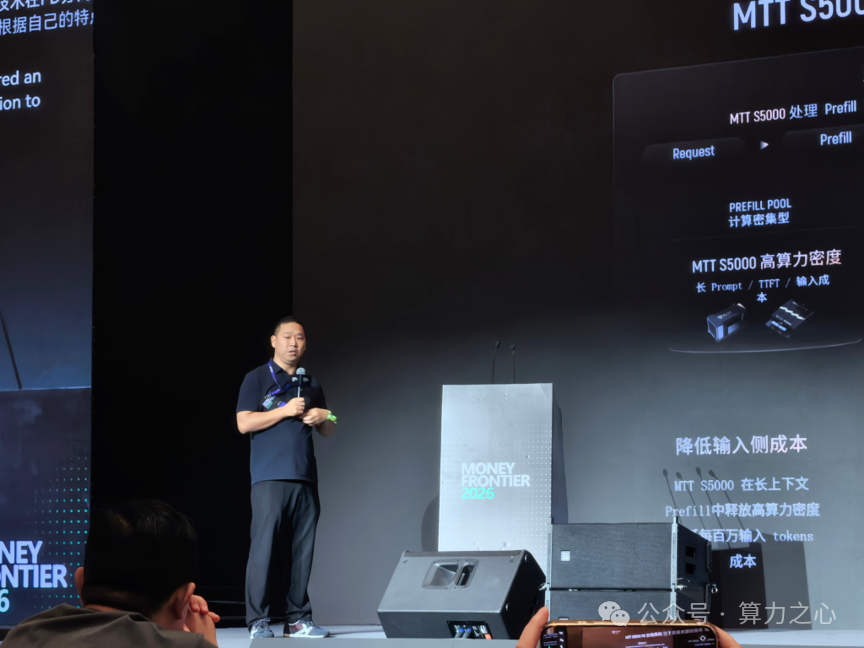
(Figure 1 Moore Threads guest Zhao Zhenyang on site)
The speech pointed out that AI is moving from visual AI and generative AI to Agentic AI and Physical AI. As agents continuously invoke models, tools, and other agents while executing tasks, the primary consumers of Token are expanding from "humans using AI" to "AI using AI," and the industry's demand for computing power will shift from standalone chip performance to system support capabilities for training, inference, simulation, agent operation, and end applications.
In this context, Moore Threads proposed three frameworks: training factory, token production factory, and agent factory, corresponding to model training, Token production, and agent operation, respectively. Related content indicates that for domestic GPUs to enter real industrial scenarios, it is no longer just a matter of hardware replacement, but forming a complete closed loop from chip, software stack, training platform, inference framework, simulation capability to application adaptation.
2. Tencent Cloud: Agents Transition from Dialogue Assistants to Task Execution Environments
Regarding the technological evolution of AI Agents and enterprise-level implementation, Mr. Cai Peng, Chief Architect of Tencent Cloud Yunnan, delivered a keynote speech titled "The Wave of Agents: Comprehensive Reshaping from Technological Eruption to New Industrial Era."
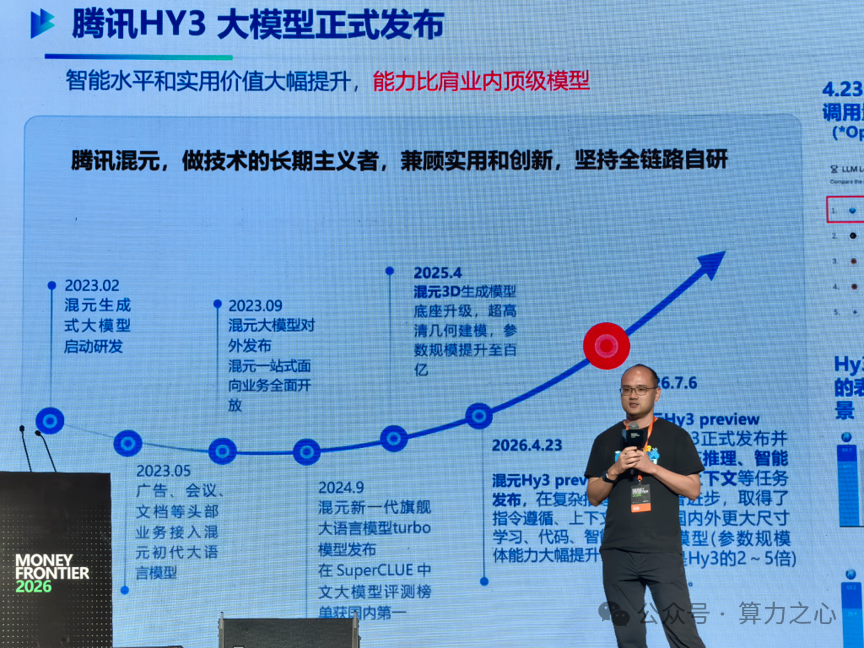
(Figure 2 Tencent Cloud guest Cai Peng at the speech)
Cai Peng stated that AI Agents are evolving from large model applications of "you ask, I answer" to a new stage capable of understanding objectives, breaking down tasks, formulating plans, invoking tools, and providing continuous feedback. Once agents enter industrial scenarios, the core not only lies in model capabilities but also includes memory mechanisms, knowledge management, tool invocation, Skill accumulation, multi-agent collaboration, and secure execution environments.
At the enterprise practice level, Tencent Cloud showcased solutions like WorkBuddy, CodeBuddy, ADP Agent Development Platform, training inference platform, and AI Sandbox. Related content shows that enterprise-level Agents are transitioning from personal efficiency tools to task execution, organizational collaboration, and reconstruction of production processes.
3. Dr. Yang Zuoxing: AI Computing Power Opportunities Lie More on the Inference Side
Dr. Yang Zuoxing, founder of Yangji Microelectronics, brought a keynote speech titled "From Bitcoin Computing Power to AI Computing Power," sharing insights on heat dissipation routes, energy choices, AI computing power opportunities, and the future of Bitcoin mining.
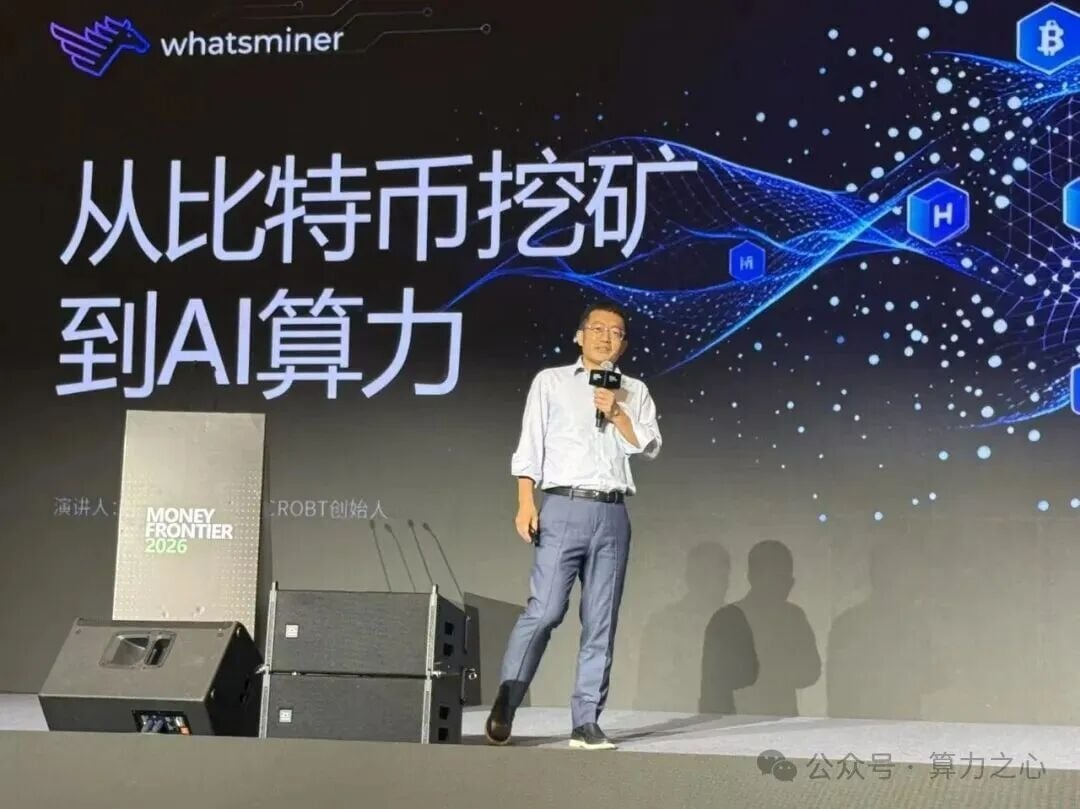
(Figure 3 Yangji Microelectronics guest Dr. Yang Zuoxing at the speech)
Dr. Yang believes that for high-density computing power, heat dissipation and energy are no longer ancillary issues but core variables determining long-term competitiveness. After comparing air cooling, oil cooling, and water cooling, he judged that water cooling is more suitable for future new construction and renovation projects; on the energy side, natural gas has both stability and adjustment capabilities and is a noteworthy incremental choice in the near term.
Regarding AI computing power, Dr. Yang stated that the current training market has become concentrated, and the real incremental opportunities lie more on the inference side. As AI applications, intelligent agents, and robots become widespread, inference demand will spread to regions, edges, and industry nodes, while open-source models, distributed deployment, and domestic chips will also provide new participation opportunities.
Speaking of Bitcoin mining, he candidly admitted that the industry's golden period has passed, but the low-power chips, energy efficiency optimization, and energy operation capabilities accumulated in mining still hold value. In the future, a new collaborative model may form between mining machines, natural gas, solar storage, and AI data centers.
4. XinKe Liquid Cooling: AIDC Transformation is Primarily an Engineering System Upgrade
Mr. Wang Chong, CEO of XinKe Liquid Cooling, delivered a keynote speech titled "Iteration of Computing Power Wave: Opportunities and Real Challenges in the Transformation of Data Center Industry," focusing on the practical issues of upgrading traditional data centers and blockchain server rooms to AIDC intelligent computing centers.
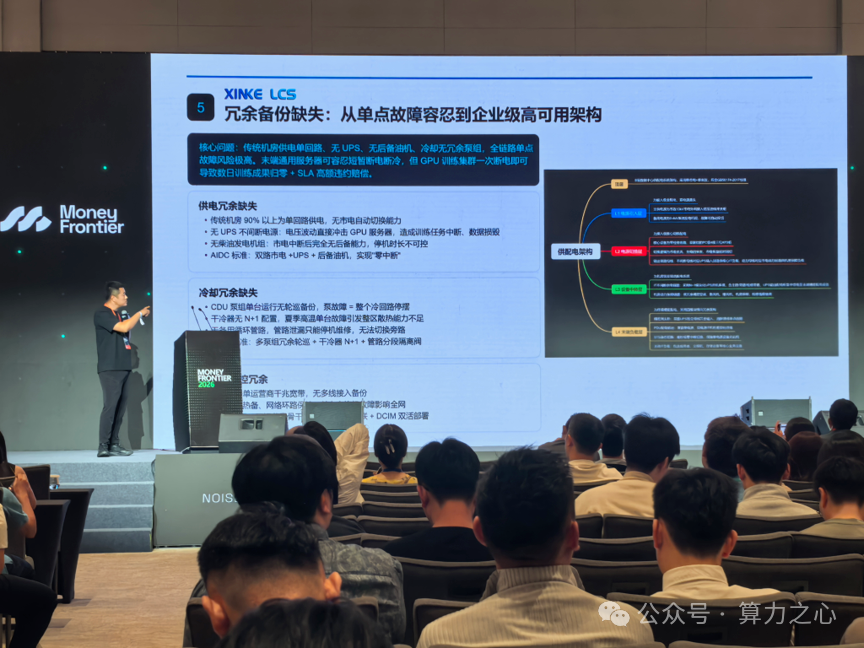
(Figure 4 XinKe Liquid Cooling guest Wang Chong at the speech)
Wang Chong stated that upgrading traditional data centers to AIDC is not merely replacing GPU servers but entails a complete reconstruction of power distribution, liquid cooling, networking, fire control, load-bearing, operation and maintenance platforms, and delivery systems. High-density GPU cabinets are rapidly advancing to tens or even hundreds of kilowatts, setting higher requirements for power redundancy, liquid cooling control, fire safety standards, and continuous operation and maintenance capabilities.
He pointed out that existing data centers still hold value, and land, factory buildings, power access, and primary side heat dissipation facilities can be reused. However, whether the transformation can be completed depends on whether secondary side liquid cooling, dual power supply, backup power sources, gas fire safety, network delay control, BCIM operation and maintenance platforms, and standardized quality verification capabilities are established. For the traditional computing power industry, AIDC transformation is primarily an upgrade of engineering capabilities.
Four speeches, four angles, pointing to the same conclusion: AI computing power is entering the phase of "system engineering victory."
Moore Threads is working on transforming domestic GPUs from "capable of running" to "easy to use"; Tencent is transforming Agents from lab toys into enterprise-level production tools; Yang Zuoxing is migrating the energy and engineering experiences accumulated in mining over the past decade to inference computing power; XinKe Liquid Cooling is upgrading data centers from "power on" to "zero interruption, verifiable" enterprise-level standards.
免责声明:本文章仅代表作者个人观点,不代表本平台的立场和观点。本文章仅供信息分享,不构成对任何人的任何投资建议。用户与作者之间的任何争议,与本平台无关。如网页中刊载的文章或图片涉及侵权,请提供相关的权利证明和身份证明发送邮件到support@aicoin.com,本平台相关工作人员将会进行核查。


